

〽️Service Stats & Updates
As of Tuesday October 20, 2026...
25,107 samples analyzed
Serving 215 harm reduction programs
Reaching 309 counties in 45 states
552 unique substances identified
🎃 Halloween Candy & Fentanyl??
In the spirit of spooky season, we figured it was time to bring back our post about this Halloween "myth"! Every year, concerns about fentanyl showing up in trick-or-treat candy make their rounds, but there have been no verified reports of fentanyl being distributed in Halloween candy. Our team has even helped debunk this myth through NPR back in 2023.

While the headlines can be scary, there are plenty of real ways to help keep your little ghosts and goblins safe this Halloween!
- Make costumes more visible with reflective tape, glow sticks, or lights.
- Check candy together and avoid treats with open or damaged packaging.
- Remind kids to stay aware of traffic and use sidewalks and crosswalks.
- Enjoy the sweets, but don't forget to brush those teeth before bed!
- Most importantly, have fun and enjoy the festivities!
The bottom line? Halloween should be about costumes, candy, and community, not unnecessary fear. Let's focus on practical safety tips and leave the scary stories to the haunted houses! 👻
📣 Team Voices
Check out new posts from members of our team!
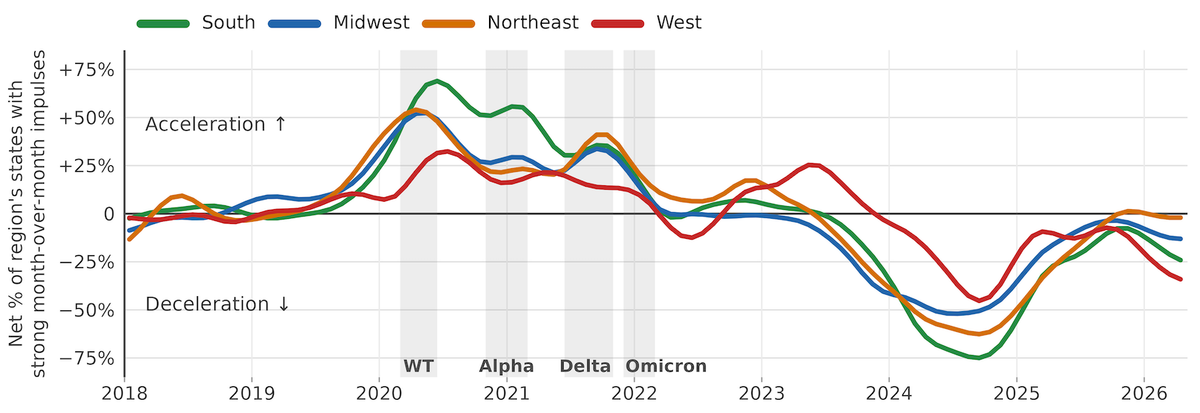
In case you missed it, earlier this week members of our team Nab and Adams, sent out a post exploring what's behind the rise and recent decline in overdose deaths across the US. Drawing on drug checking data and public health research, the article examines how changes in the drug supply, individual behaviors, and harm reduction efforts may have contributed to the decline, while reminding us that there's still plenty of work to be done!
 Nabarun Dasgupta
Check out one of our chemist, Erin is discussing the Drug Checking Minimum Scope initiative! Click below to read more!
 Erin Tracy
✈️ Out & About!
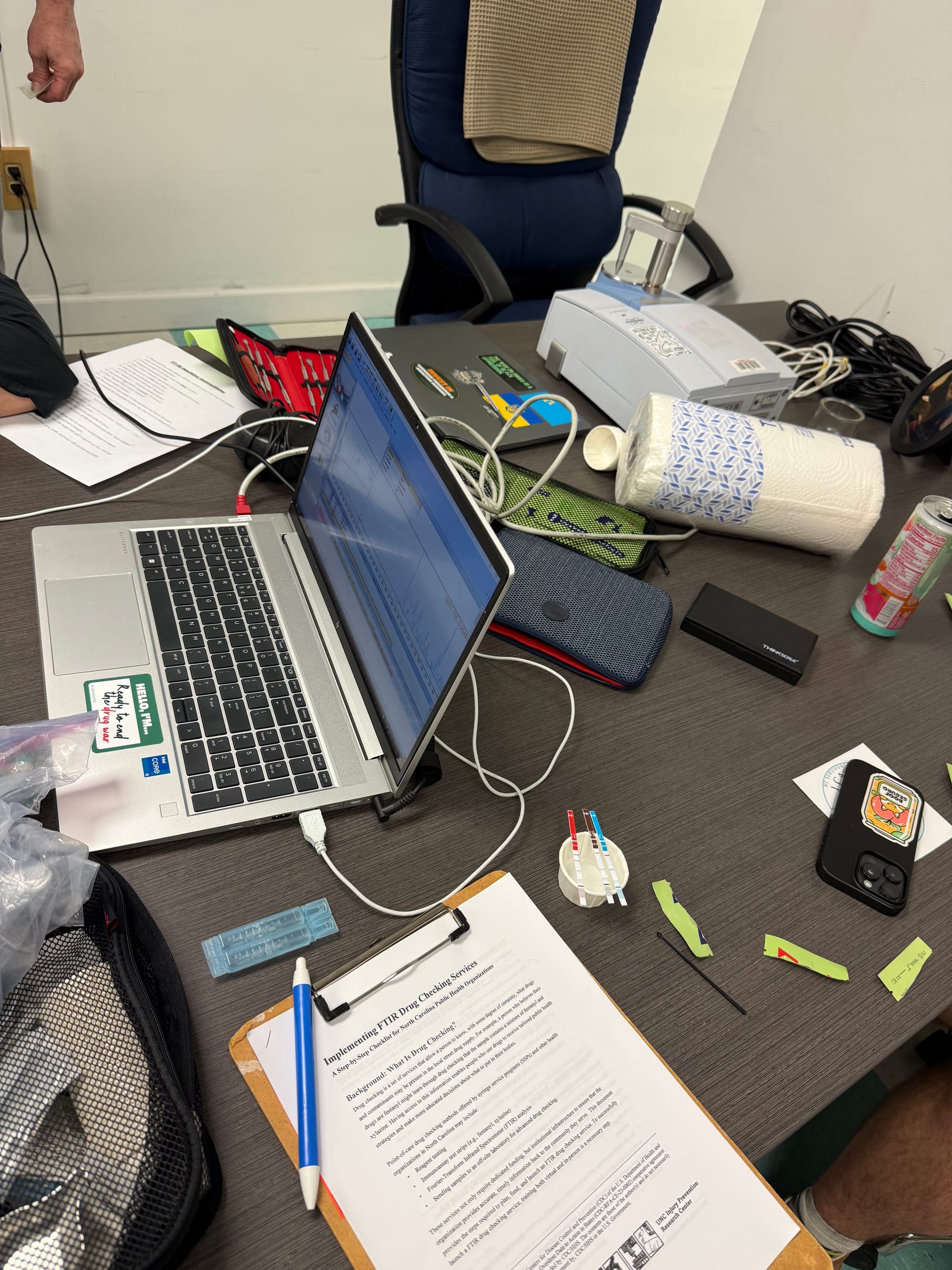
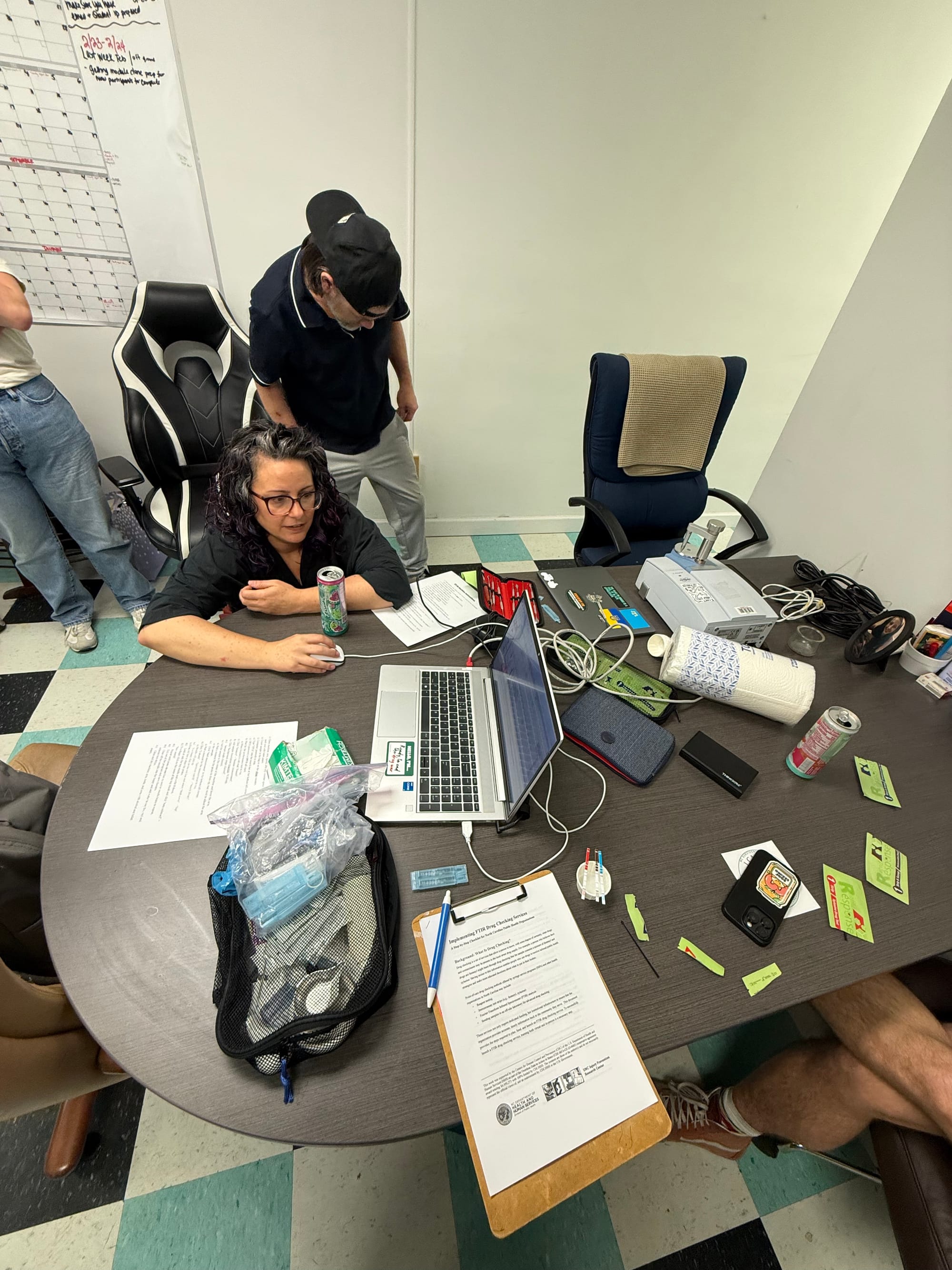
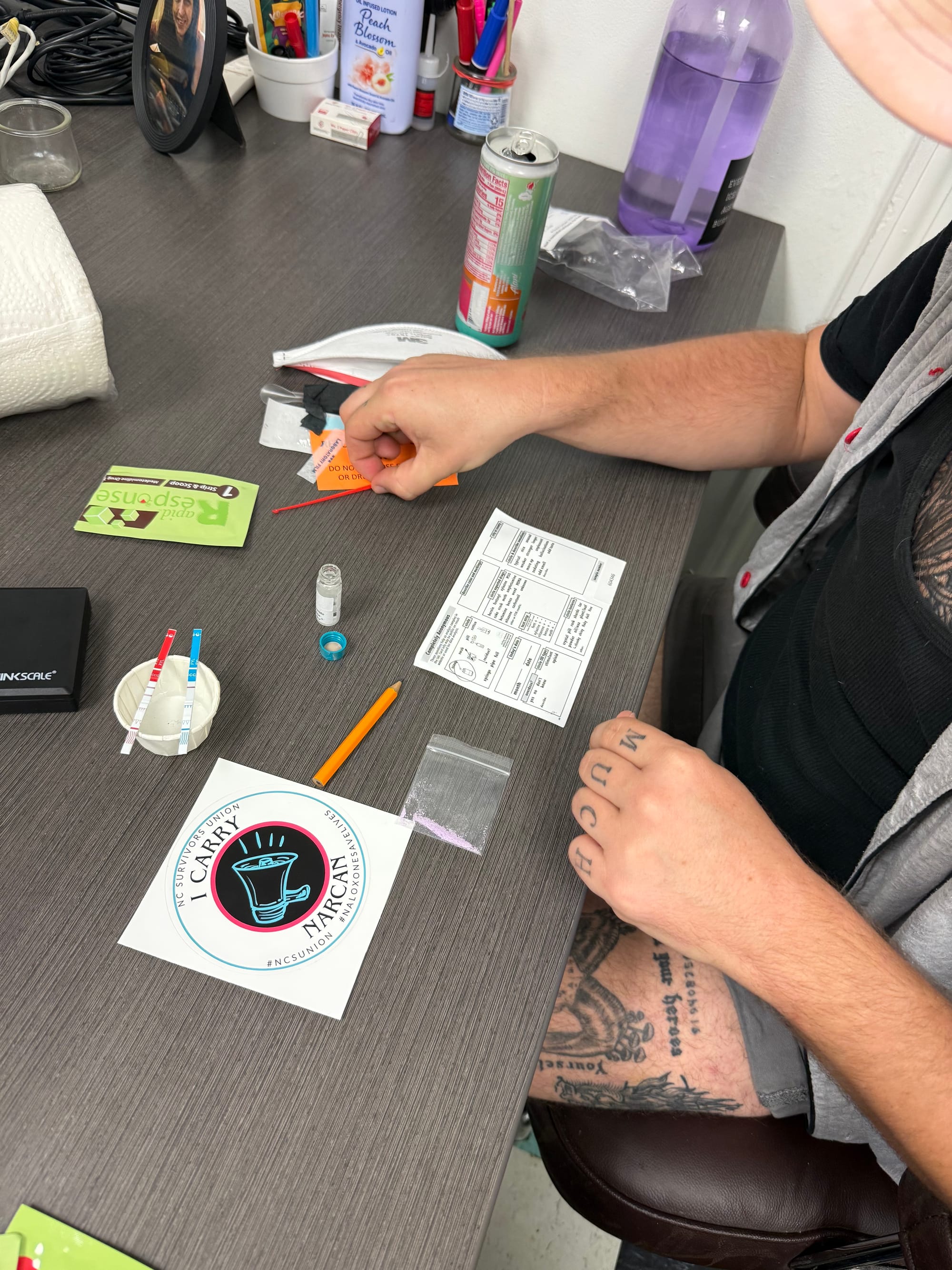
UNC SDAL took part in the two day SSP Learning Collaborative, “FTIR in the Field: Point of Care Drug Checking.” Hosted by NC DHHS in partnership with NC Survivors Union and NCHRC, the workshop was part of an FTIR preparedness initiative focused on strengthening community based drug checking efforts across North Carolina.
This opportunity gave Jalice and Erin the chance to connect with local community partners, share insights into laboratory based drug testing, and learn more about how FTIR is being used to support point of care drug checking in communities.
🧪It's About More than Just What's in the Sample!
Sometimes during a presentation or in conversations, we've been asked, "How is drug checking beneficial beyond identifying what's in a substance? Then what?" But here's the thing: our goal has never been to get someone to stop using drugs. Our goal is to INFORM. Drug checking gives people information they otherwise wouldn't have, allowing them to make more informed decisions about their drug use. Whether that means adjusting how much they use, taking additional precautions, avoiding certain substances, or sharing information with others, that knowledge matters! Beyond the results themselves, drug checking creates opportunities for conversations about overdose prevention, builds trust, connects people with harm reduction resources, and helps communities better understand what's circulating in the drug supply.
A recent case study published in Addiction Science & Clinical Practice explores these benefits, highlighting how community-based drug checking can support personal autonomy, informed decision-making, and stronger connections to care. The takeaway? Drug checking isn't about telling people what to do. It's about making sure they have the information to make those decisions for themselves and opening the door to have more conversations about how to keep people safe!
NC Overdose deaths declining Faster than the national rate!
North Carolina is seeing encouraging progress in the fight against overdose deaths, with declines reportedly occurring at nearly twice the national rate! While this is welcome news, continued access to harm reduction services, overdose prevention resources, treatment, and drug checking remains essential to sustaining progress and supporting communities across the state. These improvements highlight the importance of ongoing collaboration among community organizations, public health partners, and people with lived and living experience. Read more about the findings in this CBS 17 report.
📖 Reading Room
Read up on articles we found engaging or maybe watch a video about-
Journal of Urban Health: The Impacts of the SARS-CoV-2 Pandemic on Incarceration Dynamics and Racial Disparities in North Carolina Jails. New research examining North Carolina jails during the COVID-19 pandemic brings a not so shocking reveal; even as jail populations declined, White people benefited disproportionately from the reductions, while Black, Indigenous, and other people of color remained disproportionately incarcerated. The findings highlight how racial inequities persisted and worsened during efforts to reduce incarceration.
CSI: Opioids releases a newsletter every few months! Head over and check out last month’s edition, which dives into the connection between chronic pain and mental health, and make sure to sign up for their newsletter!
LinkedIn: China to Control Orphine-Related Substances in 2026
Community Drug Checking Empowers PWUD with Agency and Autonomy
TalkingDrugs: Death Penalty for talking Drugs Online? Click here to read about what is happening in Bangladesh and the potential threat to harm reduction.
Wiley: Advancing Spectroscopy-Based Drug Checking Training: A Proof-of-Concept Study for the Use of Concordance Analysis
Improvising in an emergency: Doctors respond to medetomidine withdrawal with no roadmap by Hannah Harris Green. “It’s not the use that’s killing people, it’s the stopping that’s killing people.” This is an excellent newsletter that y'all should subscribe to.
Check out the Action Lab at Northeastern University's toolkit for countering misinformation about harm reduction! You can even cacth their webinar in case you missed it here!
🤗 Opportunities for Impact
Please send us job postings, conferences, proposals, and other events for you harm reduction baddies and we will highlight in our next newsletter!
Upcoming Webinars
Beyond the Alert: Making Sense of Drug Supply Data and Communicating What Matters
Join UNC’s Adams Sibley on Wednesday, November 4, from 2–3:30 PM ET for a free webinar exploring how we can better communicate changes in the unregulated drug supply. The discussion will look at ways to move beyond traditional drug alerts and share information that is clear, useful, and responsive to community needs while reducing stigma and misinformation.
Registration is free but required! Register here.
Join the Open Exchange Learning Lab: Tracking Expenses & Getting Paid on Thursday, October 22, from 11–11:45 AM for a free session focused on financial tracking and payment processes for North Carolina harm reduction programs. Register here and share this opportunity with others who may benefit!
Job Postings
Benevolence Farm NC is looking for a Substance Use Recovery Specialist.
NASTAD is hiring for a Senior Director of Syndemic Approaches.
NC will be hosting their NC Summit on Reducing Overdose March 9-11, 2027!
Pew’s Government Performance team, Washington, DC is hiring a Research Manager!
NYC Department of Health and Mental Hygiene is hiring for a Senior Drug Checking Epidemiologist, Bureau of Alcohol and Drug Use!
Studies & Surveys
The OPTIMISM team at the University of Missouri–St. Louis is seeking participants nationwide for a study exploring attitudes toward medications for opioid use disorder (MOUD). They're especially interested in hearing from people of diverse backgrounds and experiences to help ensure a wide range of perspectives are represented. The survey takes approximately 15 minutes to complete, and participants will receive a $25 gift card! Take the survey here.
Call for Collaboration in OPTIMUS Feasibility Testing Study, which is an international study looking to build global consensus on the key outcomes of opioid agonist treatment.
🏆 Box of the Month
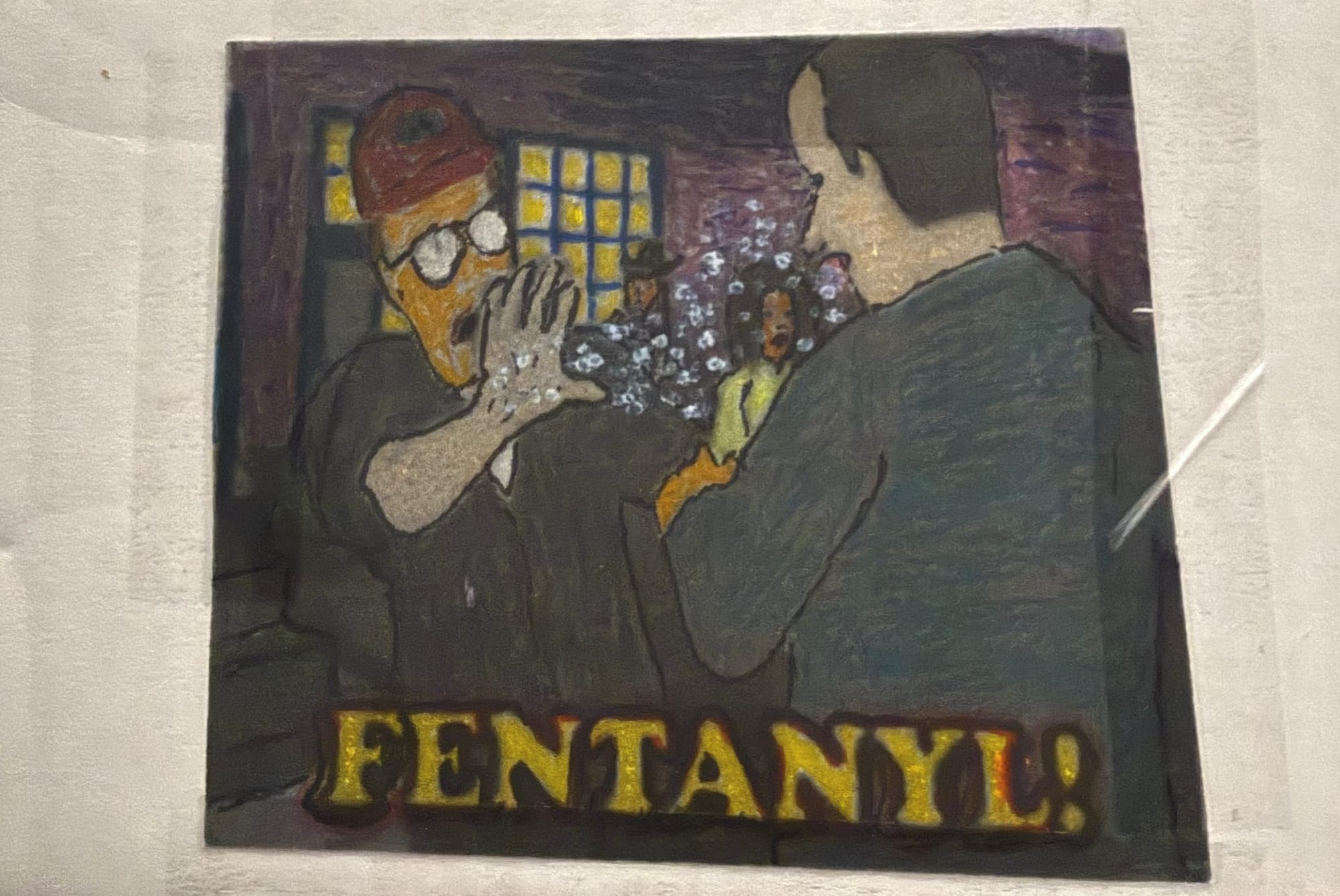
Thanks from the Opioid Data Lab team!